LUXOBAGS

How We Manufacture Biodegradable Bags

We start with prepared compounds, blow our own film and turn it into flat bags, mailers, carriers and rolls. Printed orders pass through flexographic printing before cutting and sealing.
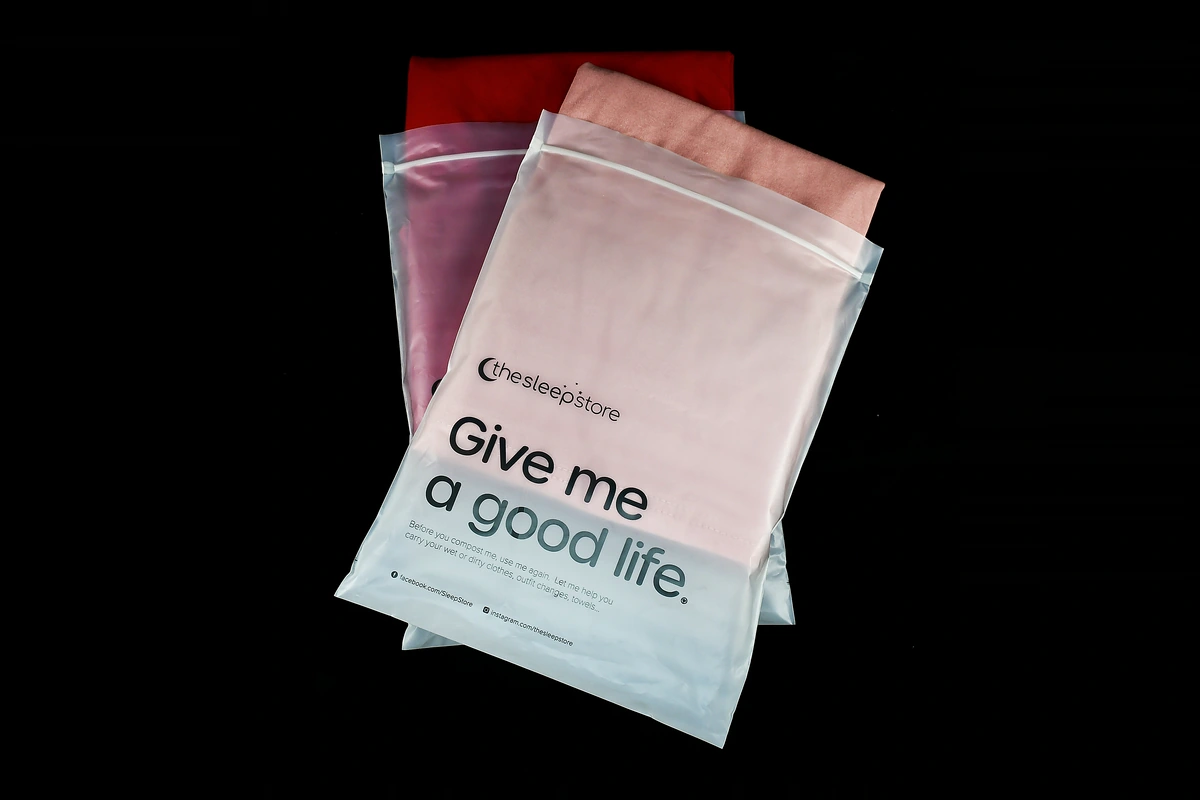
Overlapping frosted zipper bags with pink, blue and red garments inside.Product sample · Overlapping Zip Bags

The photos on this page show finished bag samples. You can see their openings, prints and closures.
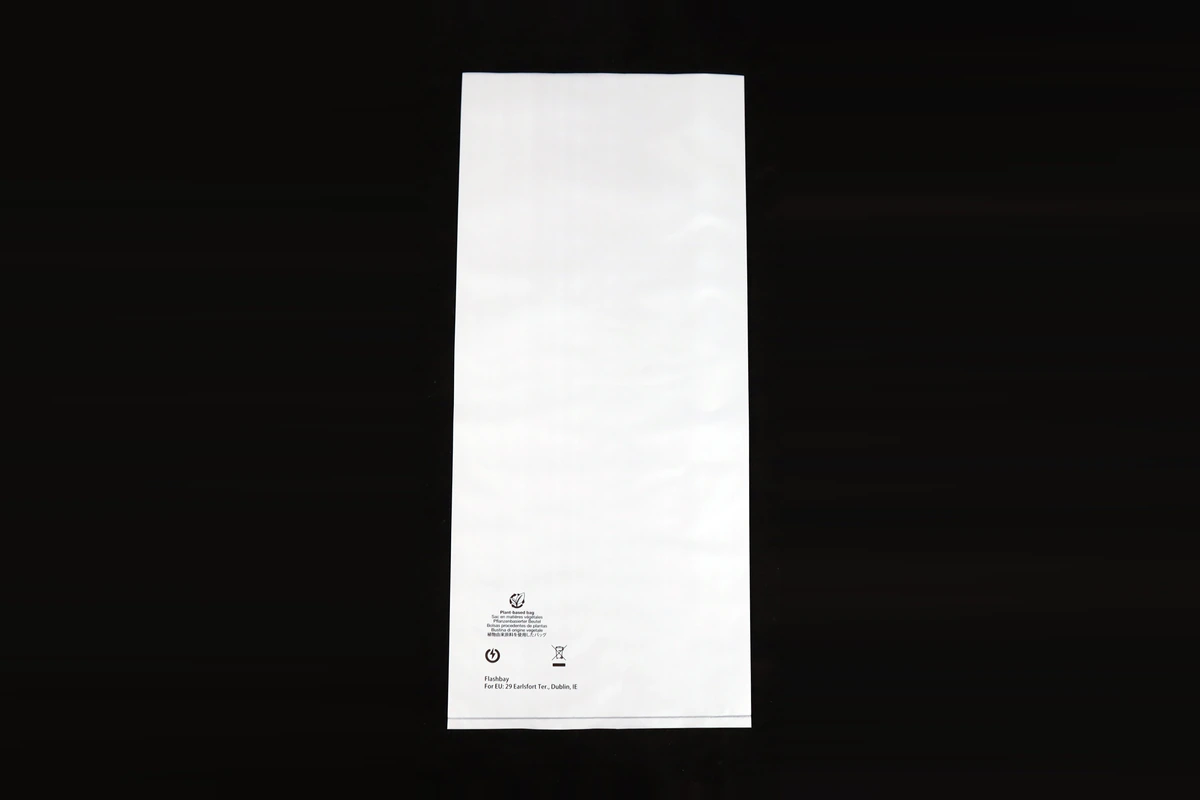
A long white flat bag with small black printing near the bottom against black.Product sample · Long Printed Flat Bag

From Prepared Compound to Finished Bag

We buy prepared compound pellets and record the grade and batch when they arrive. Our factory then blows the film, prints it where required and makes the bags.

  • Film production
    We blow the prepared compound into film and wind it onto rolls. We check the film width, thickness and surface as the roll takes shape.
  • Printing and roll preparation
    For printed bags we run the agreed artwork on the film. Slitting divides a wide roll into narrower rolls, which we rewind for the next operation.
  • Bag conversion and packing
    We seal and cut the film, adding the specified handle, closure or perforation. After inspection, we count the finished bags or rolls and pack them into cartons.
Film
Blown-Film Production
Print
Flexographic Printing
Convert
Bag Making
Inspect
Product Checks

What Happens to the Film

A flat roll has no flap, handle or side seam yet. Those details come later, so the film width and print layout have to allow for the finished shape.

Two overlapping frosted zipper bags holding pink and blue garments.Product sample · Two Garment Colors

Blown-Film Extrusion

The compound grade determines how we prepare it for extrusion. On the blown-film line we check the width, thickness and evenness of the film before winding it.
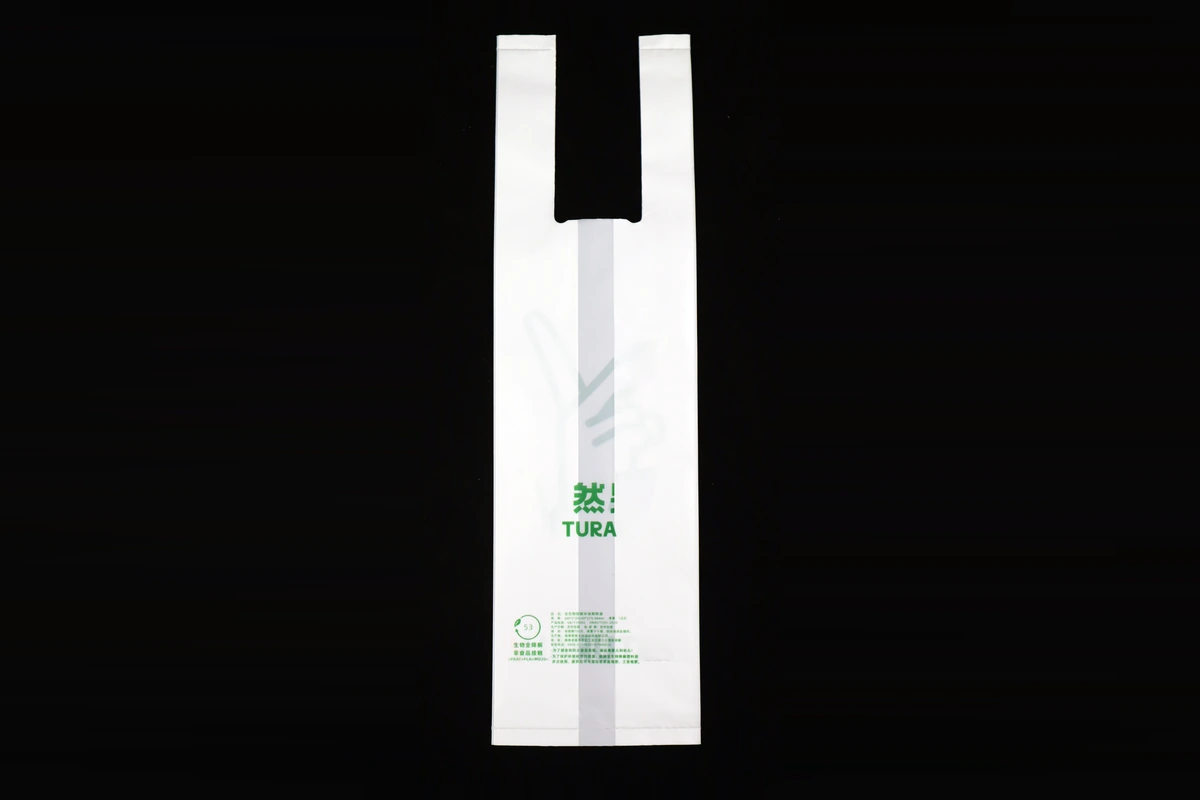
Back view of a long white carry bag with folded side gussets and small green printing.Product sample · Narrow Bag Back

Flexographic Printing

We check that the colors line up, the ink adheres and the design sits where it should. A logo near a fold or seal needs to remain visible once the bag is made. Plain film can go straight to conversion.
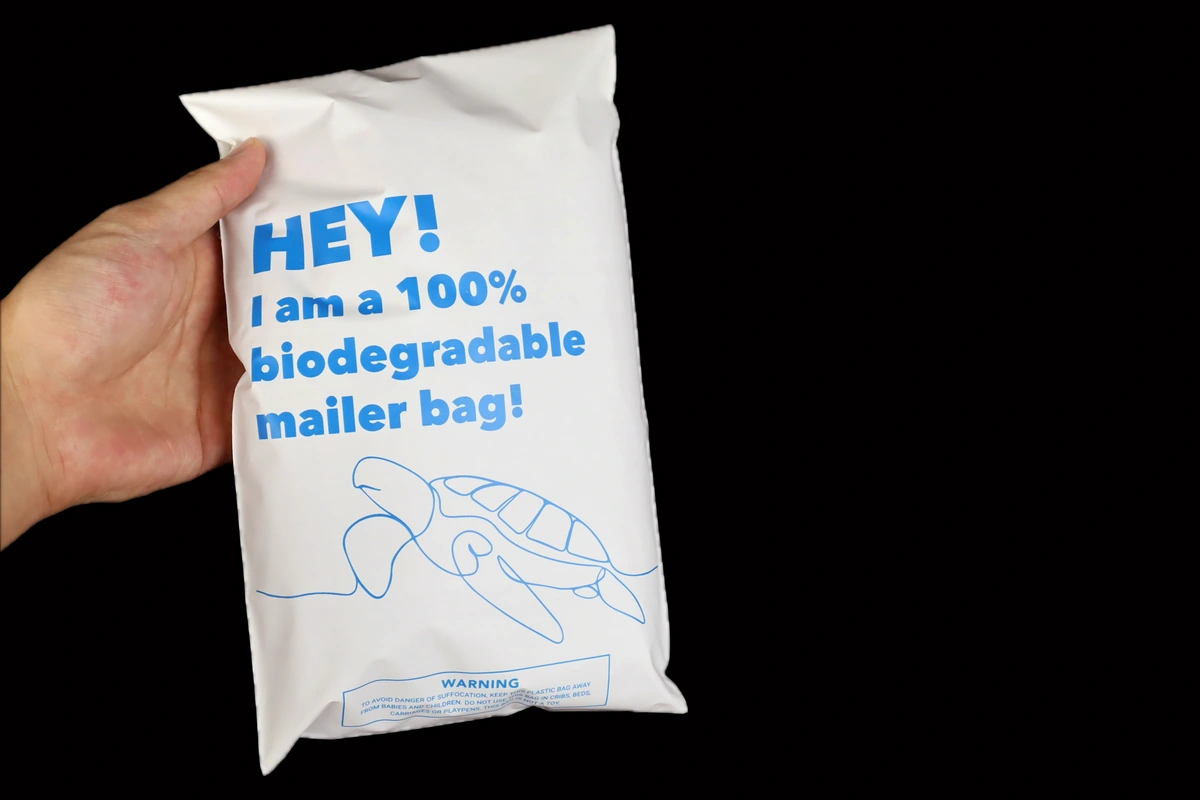
A hand holding a filled opaque white mailer printed in blue.Product sample · Filled White Mailer

Bag Making

A mailer needs a flap that reaches its closure. A carrier needs the handle in the right place. For roll bags we add the tear line and check how one bag separates from the next.
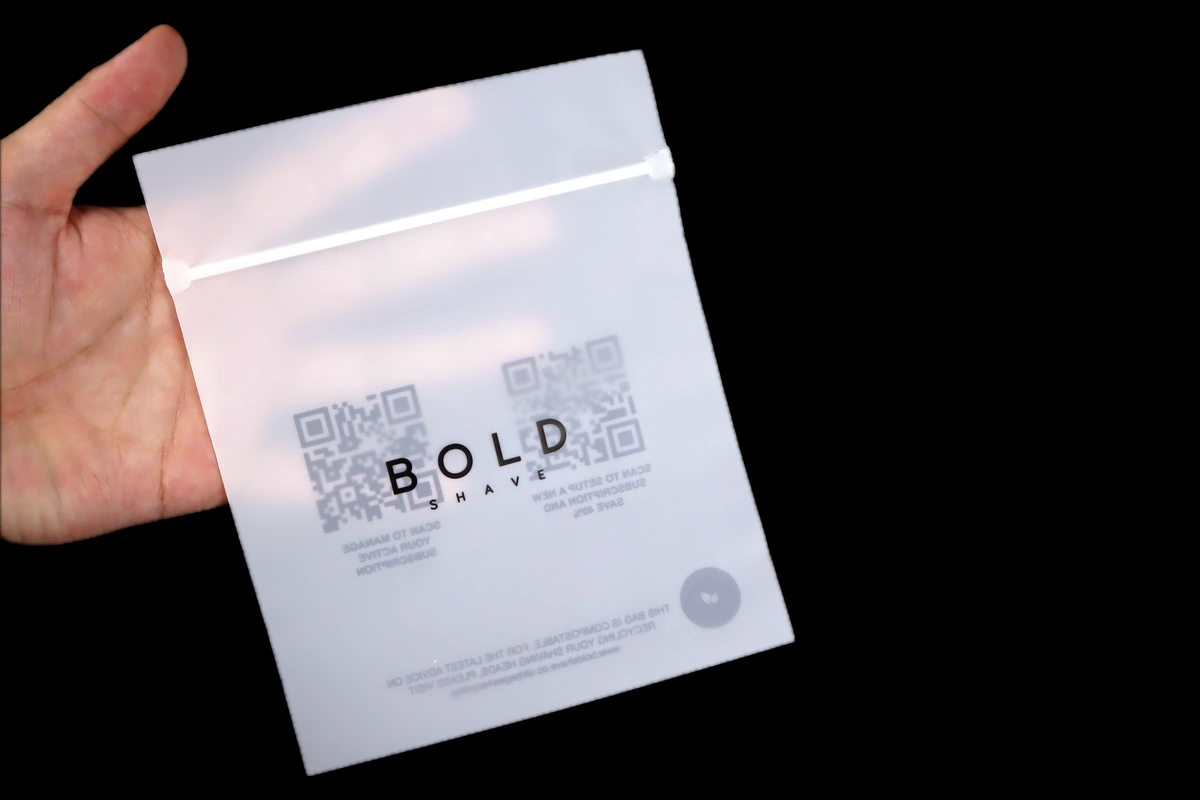
A hand holding a frosted zipper bag with black printing and two QR codes.Product sample · Frosted Zip Bag

Following a Batch through the Factory

The compound batch identifies the incoming material. The order and approved sample tell us which bag to make from it.
  1. Receive the compound
    Match the supplier, grade and batch number to the order and inspect the packaging for damage.
  2. Prepare the material
    Dry the compound if the grade requires it. Prepare any color additions specified for the film.
  3. Blow, print and cut the film
    Wind the film, print the orders that need artwork, then slit and convert the rolls. Check the edges, opening or tear line as the bags come off the line.
  4. Check finished bags
    Use the approved sample to check the size, gauge, print and construction of the finished bag.
  5. Pack and release
    Count the bags or rolls in each pack. Check the carton labels, shipping marks and batch details before the cartons leave the factory.
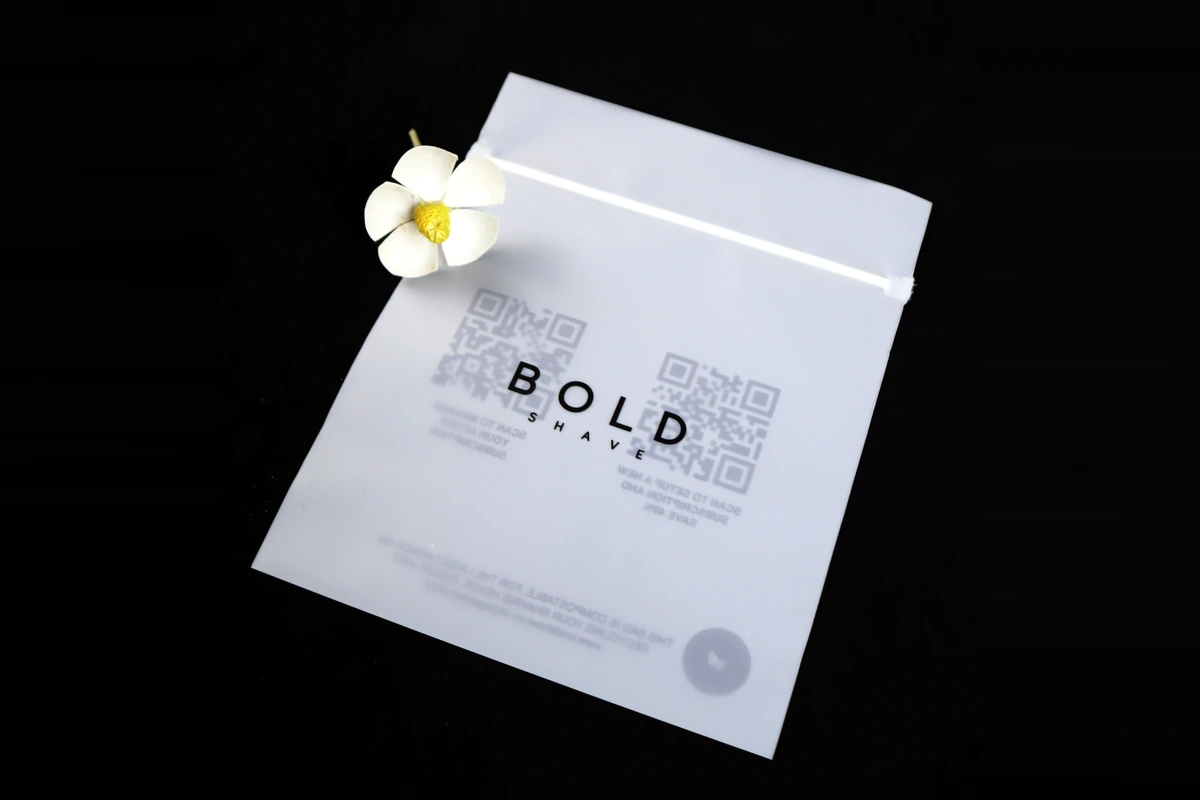
A frosted zipper bag with black printing and a white flower beside the closure.Product sample · Printed Zip Bag

What We Check before Dispatch

We inspect the incoming compound, the work on the line, the finished bags and the packed shipment. Each check catches a different kind of mismatch.

  • Material and film
    At receiving we check the grade and batch on the supplier’s packaging. At extrusion we measure width and thickness and look for uneven film.
  • Print and bag construction
    We check the print position and adhesion, then inspect the cut edges and seams. We also check the parts the user handles, such as a mailer flap, carrier handle or roll perforation.
  • Finished goods and dispatch
    We compare finished bags with the approved reference. At dispatch we check the pack count, carton mark and batch information so the cartons can be matched to the order.

What to Ask for When Comparing Suppliers

An existing sample, a custom sample and a quotation answer different purchasing questions.

An Existing Sample

Examine the film surface, print and seams on a bag we already make. Ask us how its dimensions and construction compare with the bag you have in mind.

A Custom Sample

Pack your own product into the custom sample. Check the opening, closure and printed area while the bag is filled.

The Written Specification

Look for the bag size, thickness, artwork, closure and packing count on the quote. Our film thickness is quoted in microns for both walls combined, so check the basis of any figures you compare.

Have a Bag You Want Us to Make?

Send a reference bag or drawing and tell us what your team will inspect, such as a print position, a seam or the count on a roll.

Email Your Bag Details
Film Production
Bag Conversion
Product Inspection

Factory Questions

Yes. We blow film from prepared compounds. We can print it, slit and rewind it, then seal and cut it into the bag specified for the order.
We buy prepared compounds for our film line. Base-polymer production and starch compounding take place outside our factory.
A flat bag needs the specified seal and opening. A mailer also needs room for its flap and closure. With rolls we set the perforation, winding and number of bags on each roll.
We check the compound on arrival, the film and print on the line, the finished bag against its sample, and the quantities and labels on the packed cartons.
Ask which material, gauge and size the sample represents. Try your contents in it and inspect the seams. To check your own print or closure, see our sample-development page for custom samples.
Those checks cover manufacturing quality. A finished bag needs separate evidence to support a compostability claim. We currently have no product compostability certificates or test reports.