LUXOBAGS
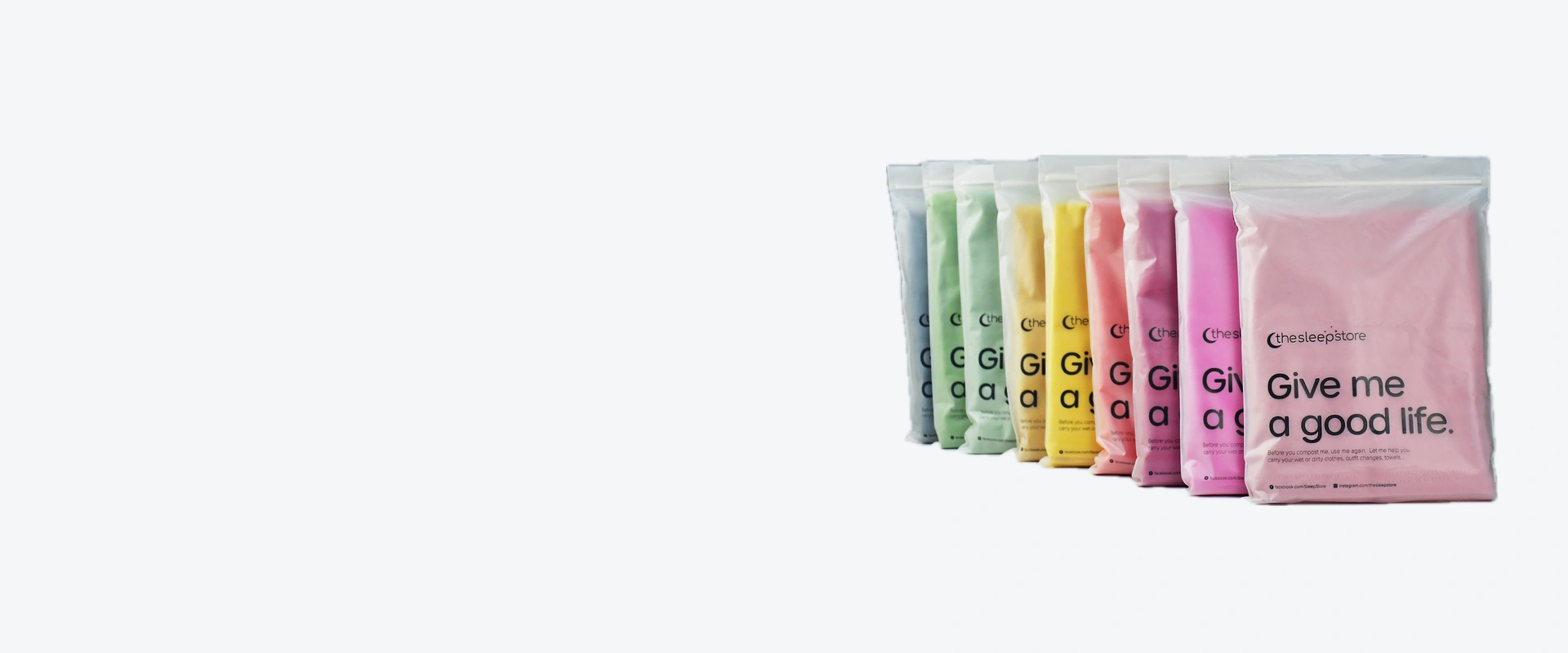
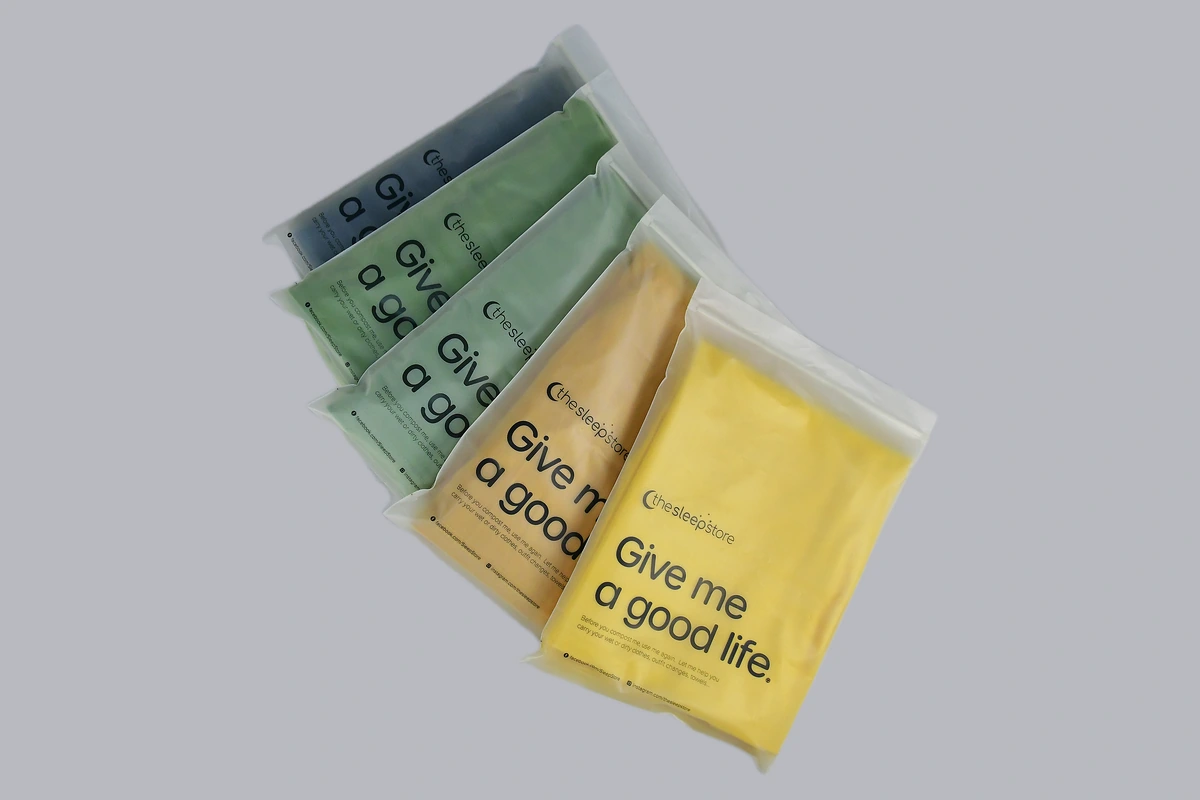
A row of frosted zipper bags holding folded garments in pastel colors.

INNER PACKAGING

Custom Biodegradable Garment Bags

A shirt folded with tissue fits differently from a thick knit on a backing card. We make open-top and self-seal inner bags around the garment as you pack it.

Open-top or self-sealFrom 1,000 pcsExisting samples free

In the photo, the garments supply the color. The frosted film still lets a packer tell the folded items apart.
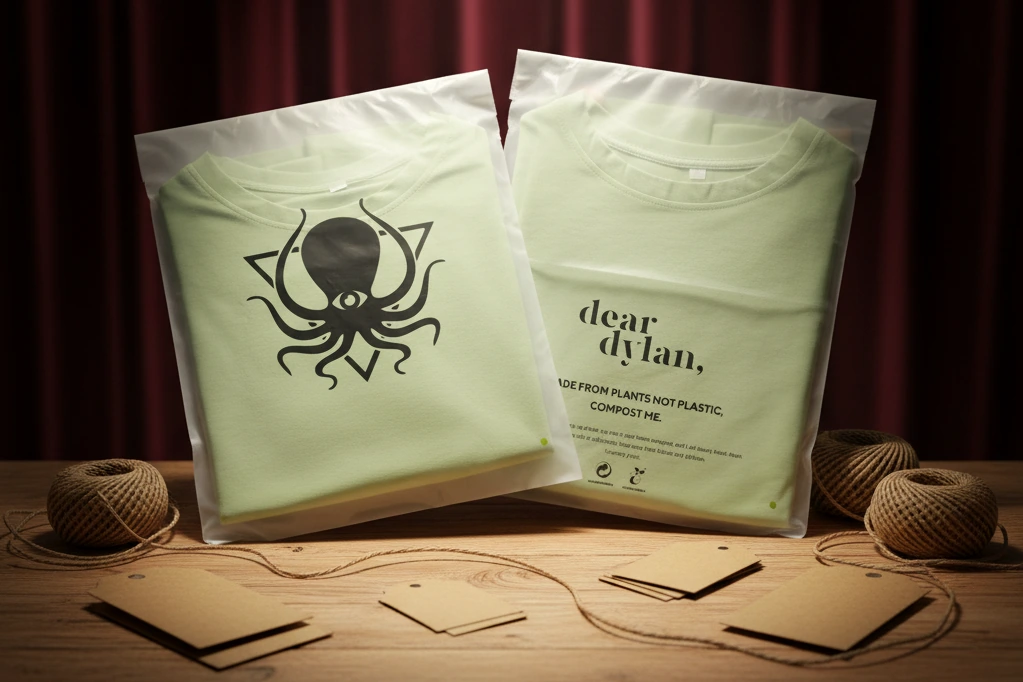
Two translucent garment bags holding folded green shirts on a wooden table.

What to Specify for a Garment Bag

  • Minimum order: 1,000 pcs.
  • Give us the folded garment width and length, plus the flap length if you want a self-seal bag.
  • Send your logo and any size or handling information you need on the pack.
  • Tell us the garment weight and how it goes into the bag so we can review a suitable film and thickness.
  • We do not currently have finished-bag compostability certificates or test reports for this range.

From a Folded Garment to a Production Sample

A folded garment, its hangtags and a sheet of tissue give us more to measure than a clothing size such as “medium.”

Measure the Packed Item

Include backing cards and inserts when you measure. A folded knit can fill out the sides even when its face dimensions match a shirt.

Blow and Check the Film

We blow and print the film in-house. Before cutting, we check its width and thickness against the bag you ordered.

Leave Enough Room for the Flap

For an open top, specify which side the packer uses. On a self-seal bag, the flap needs to reach over the packed garment.

Place the Print

We position the logo on the part of the bag that stays visible once the garment is inside and the flap is closed.

Try a Packing Run

Slip the folded item into the sample, close it if needed and take it out again. This shows whether a cuff or tag catches at the opening.

Mark Sizes on the Cartons

If you order more than one size or design, we use the agreed references and pack counts on the cartons so your team can find the right bags at receiving.

Closures and Prints for Folded Clothing

These samples show how a slider, adhesive flap, printed front or drawstring changes access to the garment.

Frosted zipper bags containing folded green, yellow and blue garments, arranged diagonally.

Size It Around the Folded Garment

Measure the clothing after folding, with tissue, tags and any insert already in place.

  • Folded width
    Measure the garment at its widest point after folding. Give dimensions in mm or cm.
  • Usable Length
    Separate the usable bag length from any flap so the clothing fits inside the intended space.
  • Garment Depth
    A thin top and a bulky knit need different allowances, even when their folded width is similar.
  • Fit in the sample
    Check the tightest point as the folded item passes through the opening.

Choose How the Bag Opens and Closes

Does your team slide the garment in from a long edge or a short one? Try that packing motion before choosing the opening and flap.
  • Open Top
    An open-top bag keeps garment insertion straightforward when no adhesive closure is needed.
  • Self-seal flap
    With the garment inside, fold the flap over and see where the adhesive strip lands.
  • Opening Position
    Define the opening side in the drawing so the garment enters in the intended direction.
  • Air Holes
    Vent-hole requirements can be included in the brief; confirm their position against the packed garment.
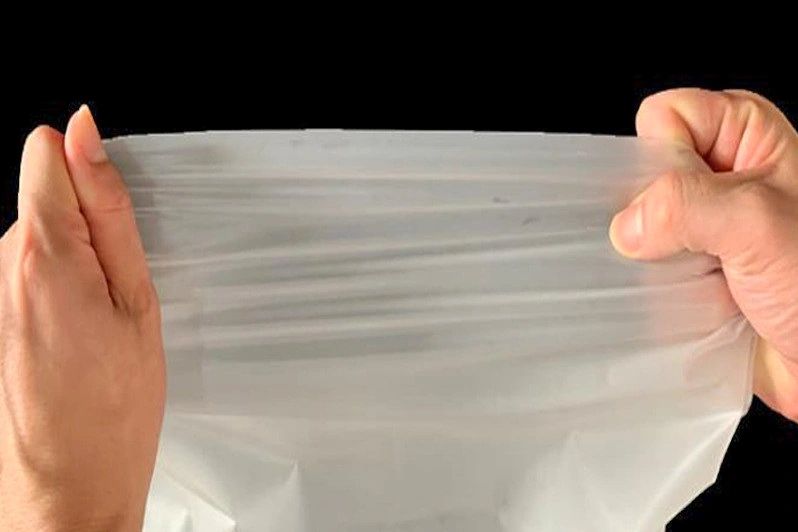
Two hands pulling open the top of a frosted zipper bag.
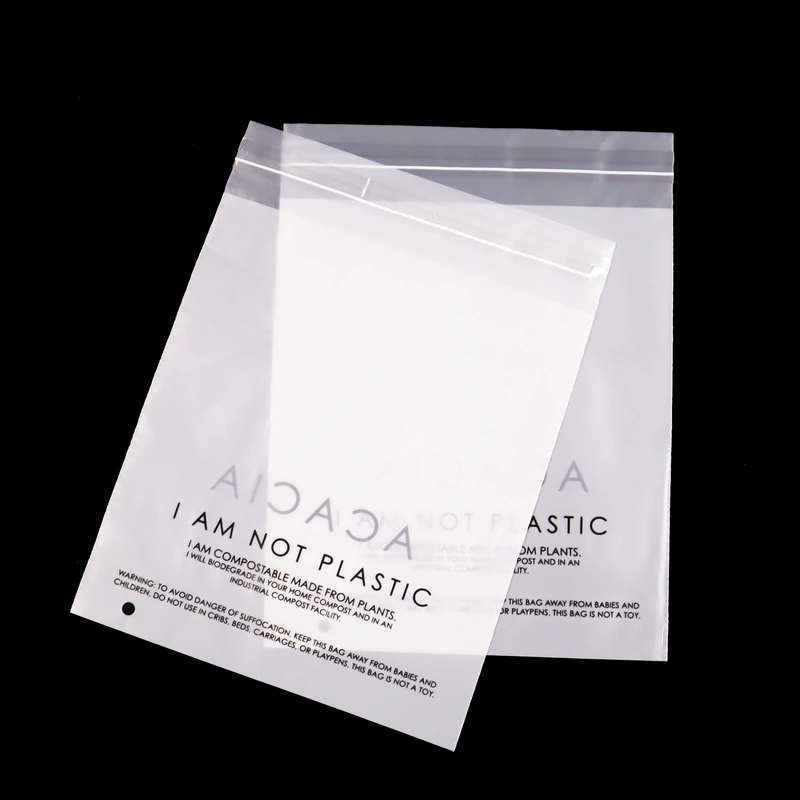
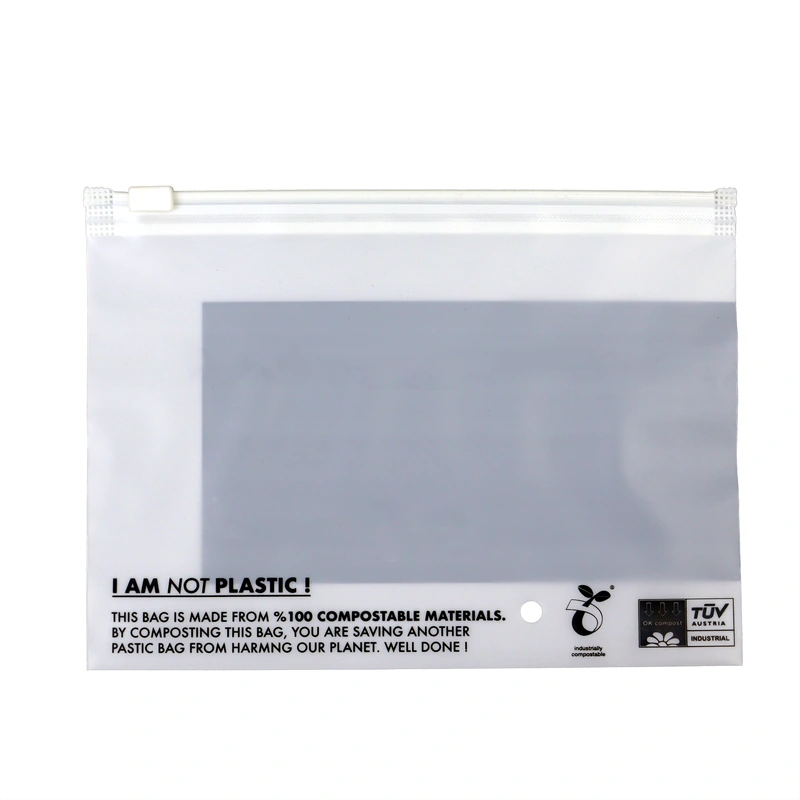
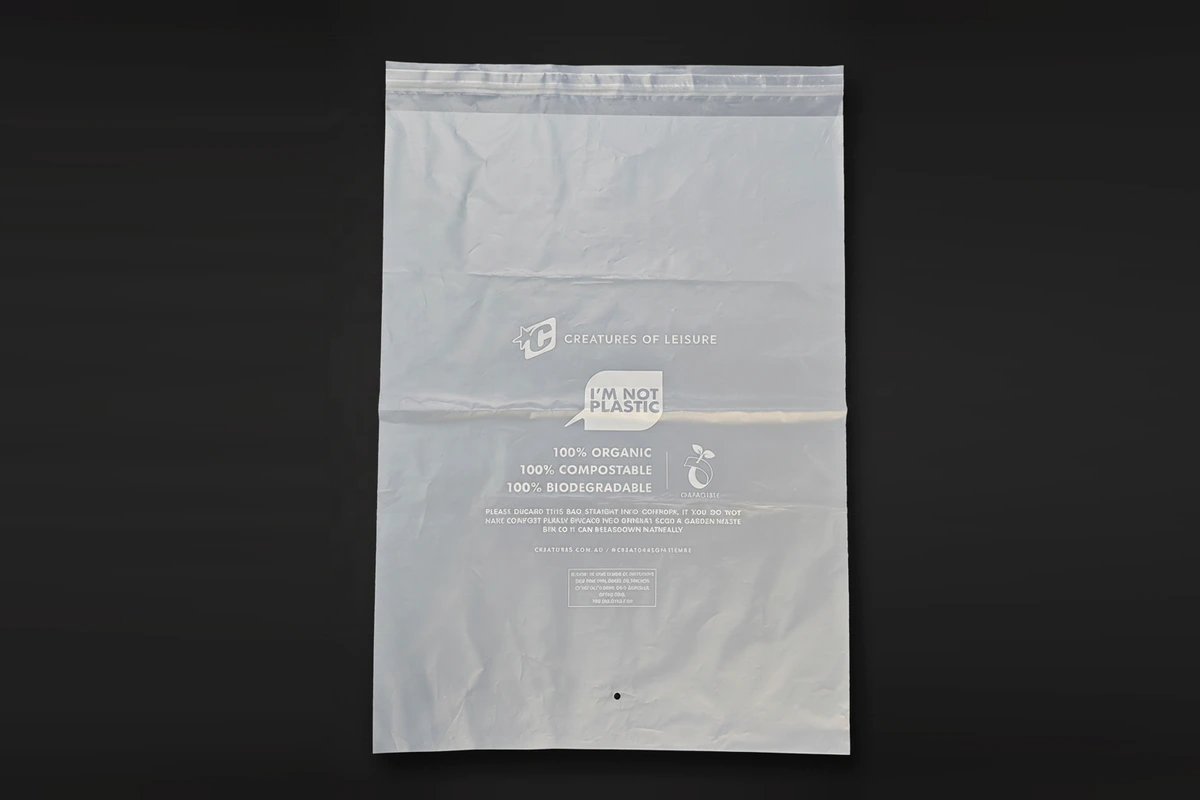
An empty translucent garment bag with a wide top sealing flap and white printed text.

Choose Film for the Garment’s Weight

A light shirt and a dense knit place different demands on the bag during insertion and handling.
  • Material
    Specify the proposed blend with the thickness. For starch-based options, see cornstarch bags.
  • Film Thickness
    Provide a target in microns, or describe the garment weight and handling for review. Use the guide to microns and mils to compare thickness units.
  • Bag Color
    Choose the film color alongside the print design, then check the appearance on the sample.
  • Handling Check
    Test insertion, closure and removal with your garment before approving the film and seams.
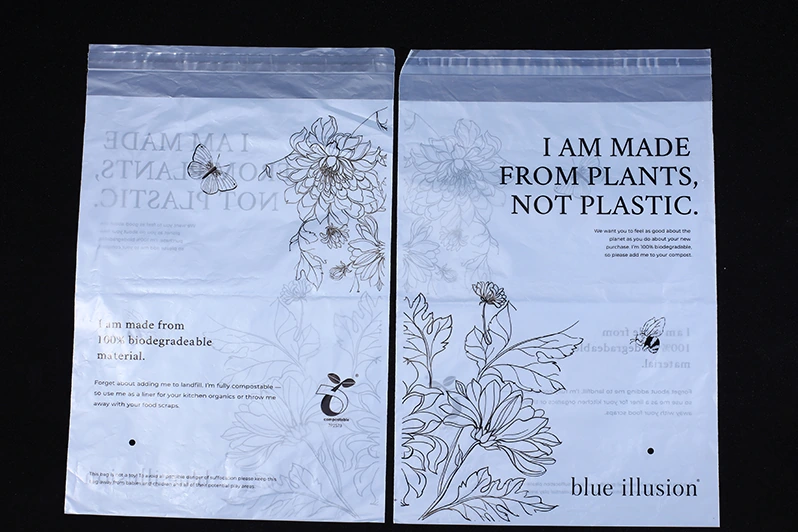
Two pale translucent garment bags printed with black flowers and text.

Keep the Logo Clear of the Fold and Flap

Use the finished bag drawing to position the artwork. Keep critical text away from seams, vents and the sealing area.
  • Logo position
    Close the sample around a garment and check which part of the front panel stays flat.
  • Printed Pattern
    Use your supplied graphic or repeat design to carry the brand across the package.
  • Garment information
    Leave room for the size, style code or handling instructions your buyer needs.
  • Color Review
    Check the print on the chosen film color; screen artwork alone is not the finished-bag reference.
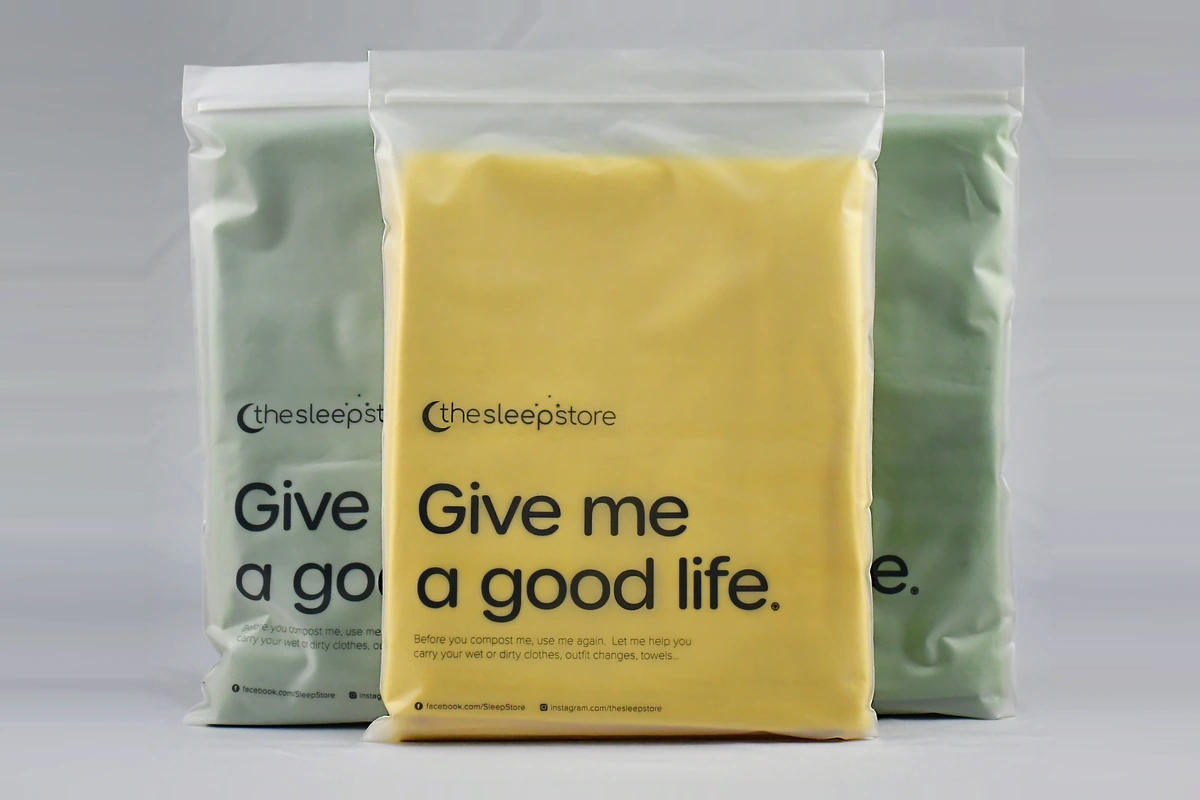
Three upright frosted zipper bags holding yellow and green folded garments.

Keep Clothing Sizes Easy to Identify

If one order includes several bag sizes, assign each a reference that can also appear on the pack or carton.

  • Bags per pack
    Choose a count that suits one packing station or one clothing size.
  • Size references
    Give each bag size a code your packers can distinguish from the clothing size.
  • Carton Quantity
    Set the carton count with the packing specification before production.
  • Carton marks
    Mark the size and design on the outside so receiving staff can pick the right carton.

How the Film Looks and Feels around Clothing

Slip a pale garment and a dark one into the proposed film. Check how clearly the garment and the print show through.
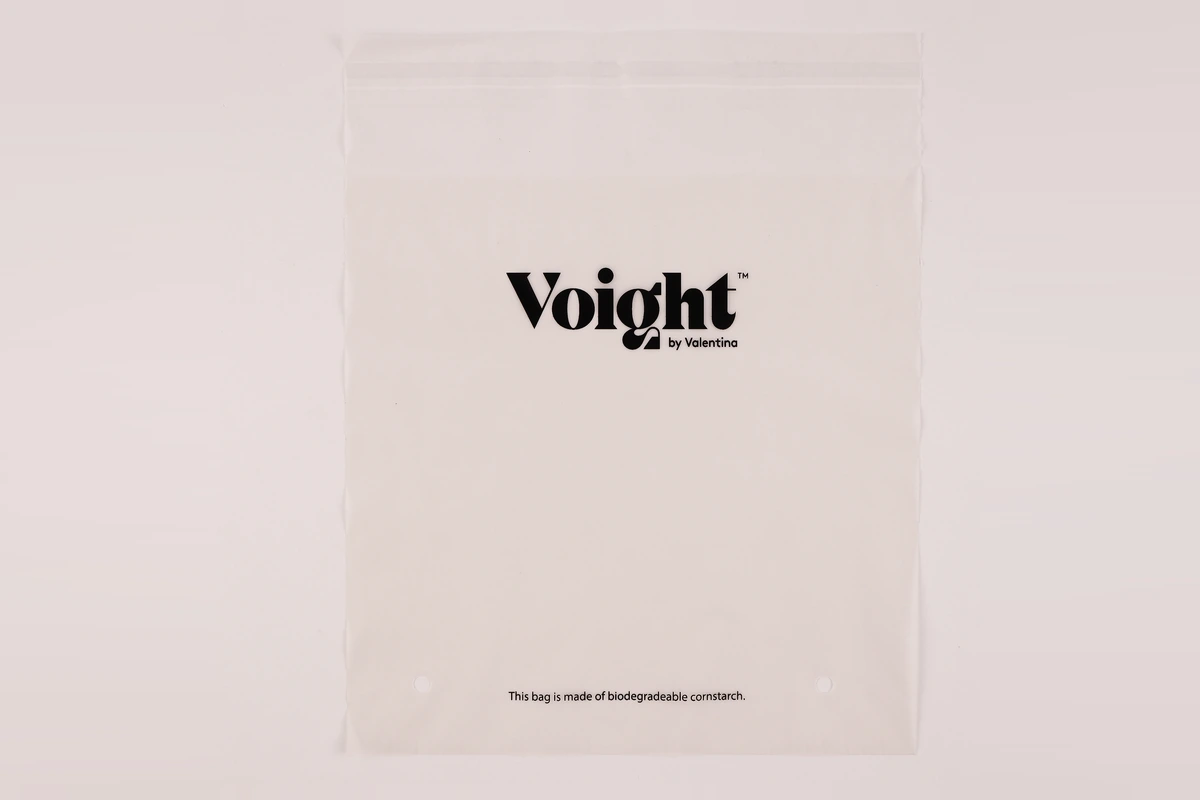
A cream-colored self-seal bag with small black lettering on a pale background.

Starch-Based Film Options

We can review PBAT/starch compounds and, where suitable, PLA/PBAT/starch blends. Tell us the garment weight, film color and thickness you want to sample.

Discuss Garment Film
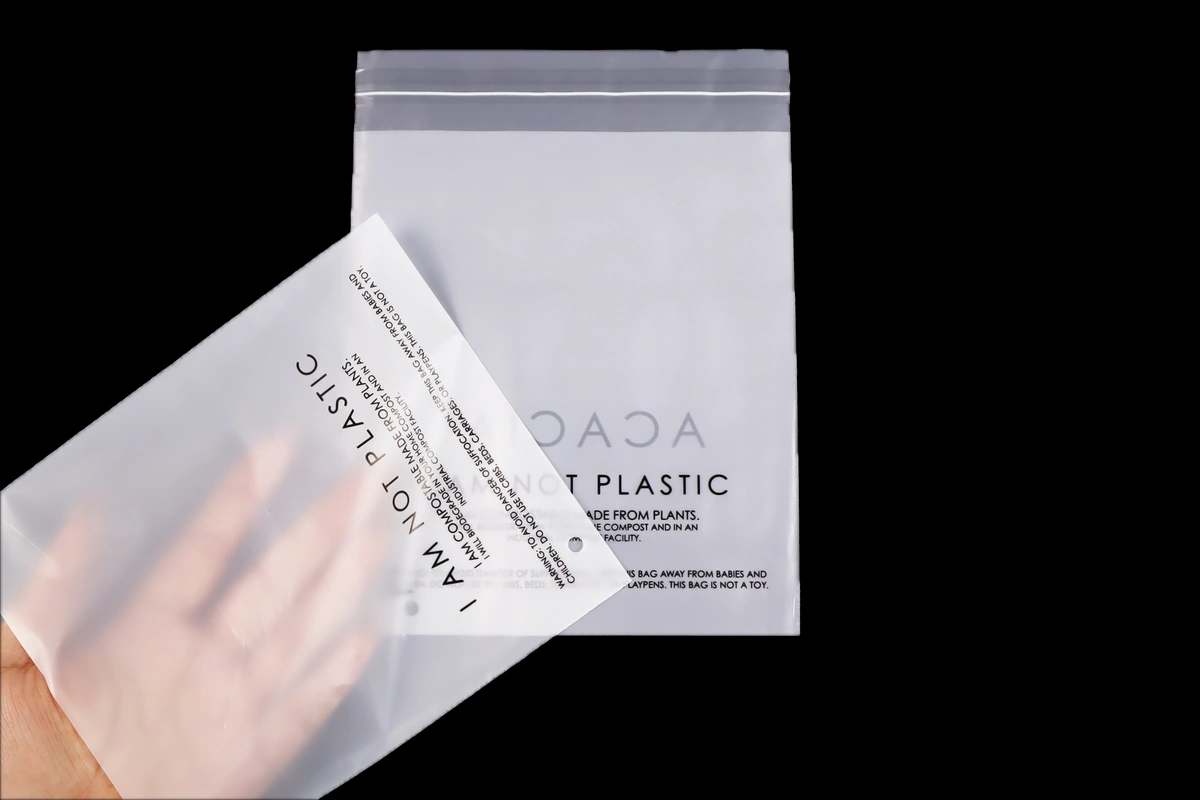
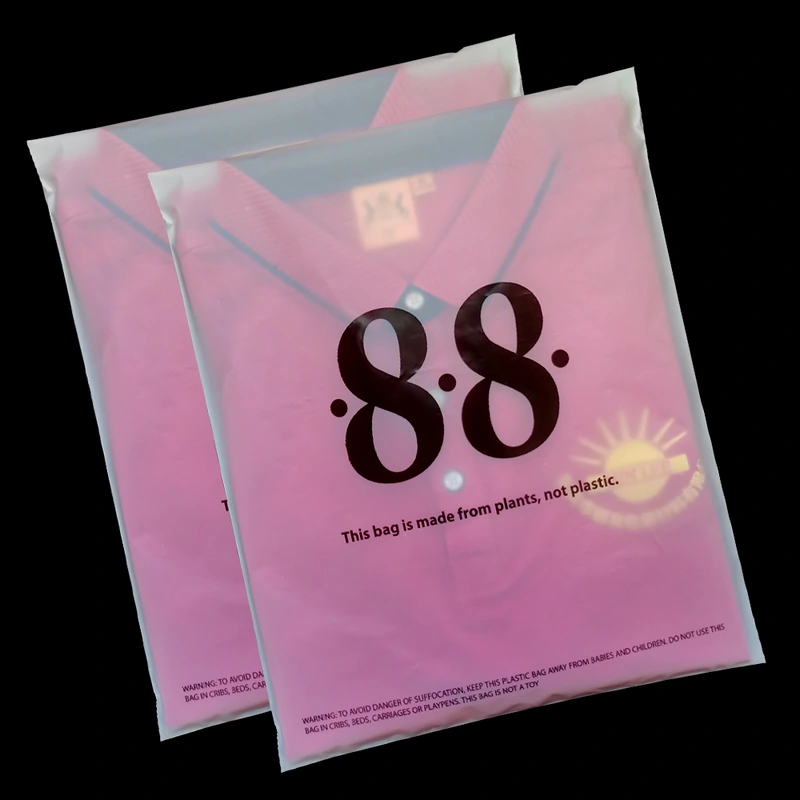
A hand visible through a translucent printed garment bag with another bag behind it.

Comparing Your Current Garment Film

Use the same folded item and inserts in both bags. Watch for seams that pull during packing and a flap that lifts after closing.

Review Your Reference Bag
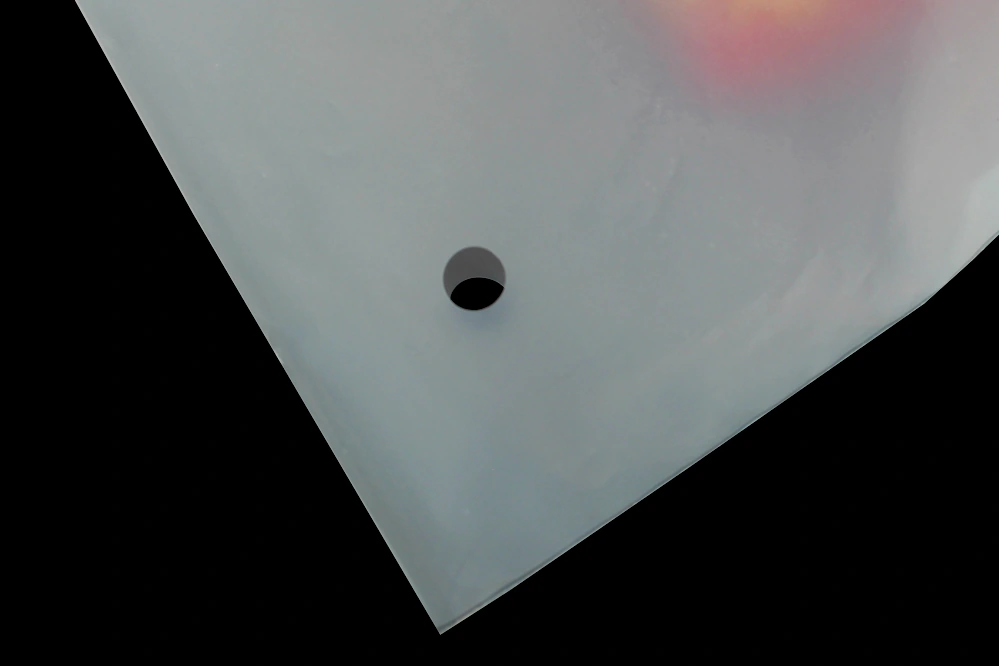
Close-up of a round vent hole near the bottom corner of a translucent garment bag.

Compostability of the Printed Pack

We currently have no compostability certificate or test report for the finished garment bag. Artwork, adhesive and other components all matter when checking whether a claim applies.

Discuss Material Evidence
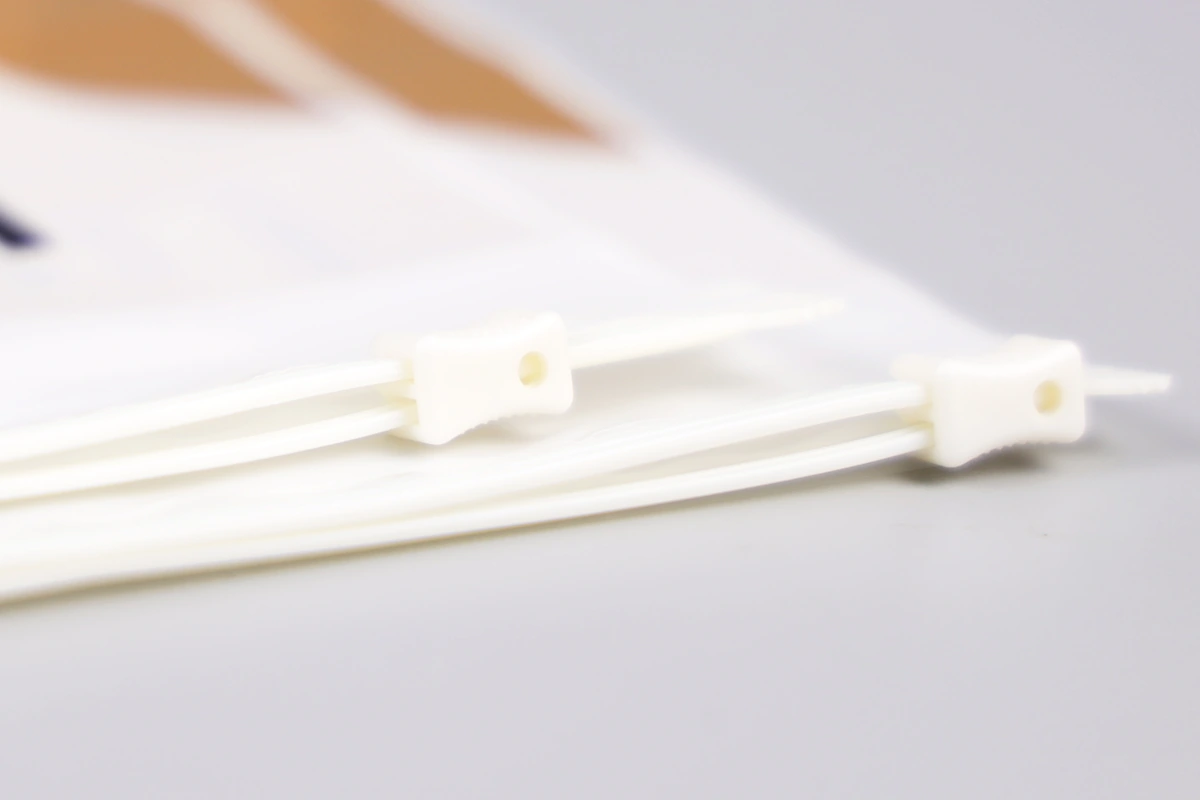
Two white slider closures on pale translucent bags in close-up.

Cutting and Sealing a Garment Bag

We blow the film to width, print the artwork and cut and seal the bags. For self-seal orders, we form the flap outside the agreed usable body length.

Garment Bag Size & Thickness Guide

Use the garment’s folded dimensions to choose a starting size. Include space for the item’s depth and check that any flap can close without compressing the garment.

We quote film thickness as the total of both bag walls in microns (µm). The table gives reference figures. Confirm how each was measured before using it for an order.

Swipe the table sideways to view every column.

Reference dimensions in centimeters and thickness in microns
Bag styleWidth × length (cm)Flap (cm)Reference thickness (µm)
Self-adhesive garment bag16.5 × 23.5440
Resealable adhesive bag20 × 25Not specified30
Resealable adhesive bag25 × 35Not specified30
Self-adhesive garment bag25.5 × 32.5540
Transparent flap bag30.48 × 40.645.0820
Resealable adhesive bag35 × 40Not specified30
Resealable adhesive bag40 × 45Not specified30
Ventilated resealable bag40 × 60Not specified30

Show Us Your Folded Garment

A photo of the packed garment, its dimensions and your order quantity are enough to start. Allow time for shipping after sample making or production.

Get a Custom Quote
1,000 pcs
Minimum order quantity
3–5 days
Custom samples after payment
7–9 days
Production after payment

Questions before Ordering Garment Bags

Try the bulkiest knit and the smallest folded item in the same sample. If the knit strains the flap or the smaller garment slides around, ask us to quote two sizes.
These bags hold the clothing inside a parcel. For direct shipping, use an outer mailer sized for the garment in its inner pack.
The minimum is 1,000 bags. Tell us how many you need for each garment size and design, and we’ll confirm the quantities we can quote together.
A free sample lets you feel the film and try the closure. To approve your printed bag, check your own dimensions, flap and artwork on the custom sample.
Existing samples are free. A custom garment bag costs US$30–50 to sample and takes 3–5 days after payment, plus shipping. We refund the full sample fee with a bulk order. See the sample fees and approval details.
We need 7–9 days after payment for bulk production. Shipping takes additional time. Confirm the opening, artwork and size breakdown before the run. The bulk-production and shipment steps explain what happens after sample approval.